


Precision Hand Deburring
Precision Hand Deburring in the Mould and Die Industry: The Role of Ceramic Stone Stick and Rod Types
In the mould and die industry, achieving precision surface finishes is essential. Hand deburring - particularly with ceramic stone tools - remains a crucial process for refining intricate components and ensuring high-quality mould performance.
Xebec Ceramic Stone Tools: Engineered for Precision
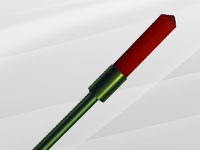
Xebe'c ceramic stone stick and rod type tools are indispensable for mould polishing and deburring tasks. Unlike conventional abrasive stones, these tools are made from a unique abrasive ceramic fibre material, not traditional abrasive grains. This advanced composition offers:
- Consistent grinding power
- Exceptional durability
- Resistance to deformation
These tools retain their shape even after repeated use, enabling consistent performance and minimizing tool replacement.
Types of Ceramic Stones and Their Applications
Stick Type: Precision at the Tip
Designed with grinding power focused on the tip, the stick type excels in applications where pinpoint precision is required. Ideal for:
- Polishing and deburring detailed areas of moulds and dies
- Removing Electrical Discharge Machining (EDM) scales
- Shaping the tip to match specific mould contours
Available in a range of sizes and grit options, this type supports tailored polishing solutions.
Rod Type: Versatility in Application
With grinding power distributed across both the top and sides, the rod type offers greater flexibility. It is well-suited for:
- Deburring and polishing complex mould geometries - ribs, flat surfaces, and curved areas
- EDM scale removal across various mould parts
- Custom tip shaping to match intricate mould details
This design promotes efficient material removal while preserving accuracy.
Key Advantages in Mold and Die Applications
Using Xebec ceramic stones offers several notable benefits:
- Consistency - Maintains shape and effectiveness over time
- Efficiency - Reduces manual effort and improves throughput
- Precision - Customizable tips enable work on detailed features
- Durability - Withstands heat and mechanical stress, extending tool life
These strengths make ceramic stone tools a critical component in optimizing productivity and quality across mould manufacturing processes.
Practical Considerations for Use
- Tool Selection - Choose stick or rod type and appropriate grit based on the specific mould geometry and finishing needs
- Tool Maintenance - Regularly inspect and re-form tool tips to match desired profiles
- Safety - Always use personal protective equipment and follow Xebec’s safety guidelines
Available from Drill Service
Drill Service supplies the full range of Xebec Stick and Rod Type Ceramic Stones please see details here
Click Here to read the full article